It is one of the most common questions in travel planning: Rome or Florence? Both cities are in the conversation for the greatest concentration of art, history, and food in the Western world. Both are unmissable. Both will change how you think about cities, about beauty, and about what human civilization is capable of producing at its highest point. And yet they are genuinely, profoundly different from each other — different in scale, in energy, in the kind of traveler they reward, and in what they ask of you in return for what they give.
This is not a question with a wrong answer. Choosing Rome over Florence does not mean missing Florence; choosing Florence over Rome does not mean missing Rome. Italy rewards return visits more than almost any country in the world, and the traveler who chooses one city on a first trip and saves the other for a second is making a sensible decision rather than a sacrifice. But if you have limited time and genuinely need to choose — or if you are trying to decide which city to give more days to on a combined trip — the differences between Rome and Florence are real and they matter.
This guide breaks down those differences across every category that matters for planning: history, art, food, atmosphere, day trips, ease of navigation, and the type of traveler each city rewards most. At the end, we give a clear verdict rather than sitting on the fence — because “both are great” is true but useless.
This article is part of our broader Italy travel coverage. For our full planning guide, see our 7 Days in Italy itinerary and our guide to the best cities to visit in Italy.
👉 Italy Travel Guide: Rome, Florence, Venice, Milan & everything you need to plan your Italy trip →
👉 7 Days in Italy: The perfect first-timer’s route through Rome, Florence & Venice →
Rome vs Florence at a Glance
Before the detailed breakdown, here is the essential difference in a single sentence each:
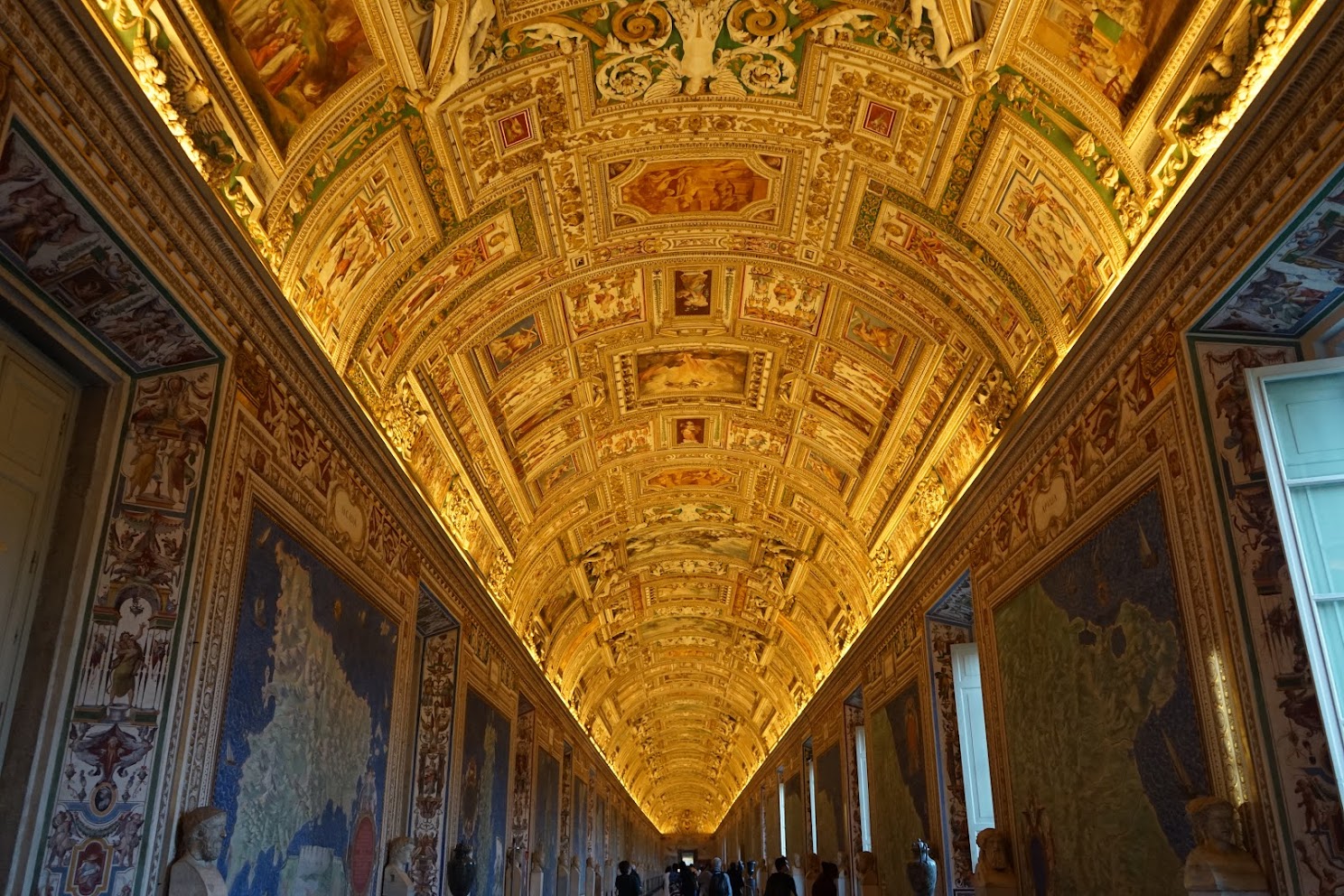
Rome is the most historically significant city in the Western world — vast, chaotic, layered with 2,800 years of civilization, and possessed of a scale and energy that is overwhelming in the best possible way.
Florence is the most concentrated great city in Italy — smaller, more refined, more coherent, and containing a density of Renaissance art and architecture that is unmatched anywhere on earth.
Rome asks you to surrender to it. Florence rewards those who pay close attention. Both are extraordinary. They are not interchangeable.
History: Rome Wins, But Florence Is No Second Place
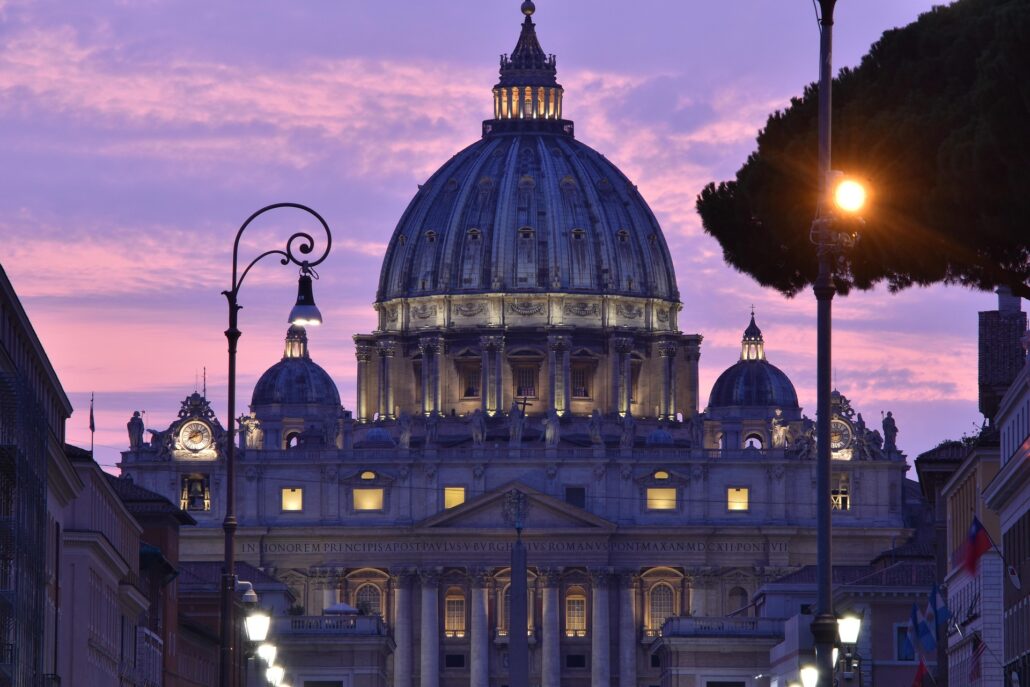
On the question of historical depth and significance, Rome is in a category of its own. The city has been continuously inhabited for approximately 2,800 years. It was the capital of the Roman Republic and the Roman Empire — the civilization that gave the Western world its legal system, its architectural vocabulary, its road network, its calendar, and the Catholic Church. The layers of history in Rome are literally stacked on top of each other: a Roman temple embedded in a medieval church embedded in a Baroque piazza. A section of Republican-era wall visible through the floor of a modern restaurant. The Colosseum, the Forum, the Palatine Hill, the Pantheon — these are not museum pieces. They are buildings that have been standing in the middle of a living city for two millennia.
Florence’s history is shorter and more specific — but within its period, roughly 1300 to 1600, it is the history that most changed the trajectory of Western civilization. The Florentine Renaissance — the extraordinary flowering of art, architecture, philosophy, literature, and science that centered on this city and the Medici family that patronized it — produced Brunelleschi, Donatello, Botticelli, Leonardo da Vinci, Michelangelo, Machiavelli, and Galileo in the space of roughly two centuries. The banking system was invented here. The concept of linear perspective in art was developed here. The dome that dominated European architecture for 500 years was built here. Florence’s historical footprint is smaller than Rome’s but its influence on how the modern world thinks and sees is arguably just as significant.
Verdict: Rome for breadth and depth of history across multiple civilizations. Florence for the specific, transformative history of the Renaissance.
Art and Museums: Florence Wins — Just
This is the closest category and the most subjective. Both cities contain art collections that would individually justify a transatlantic flight. The question is which city rewards the art-focused traveler most completely.
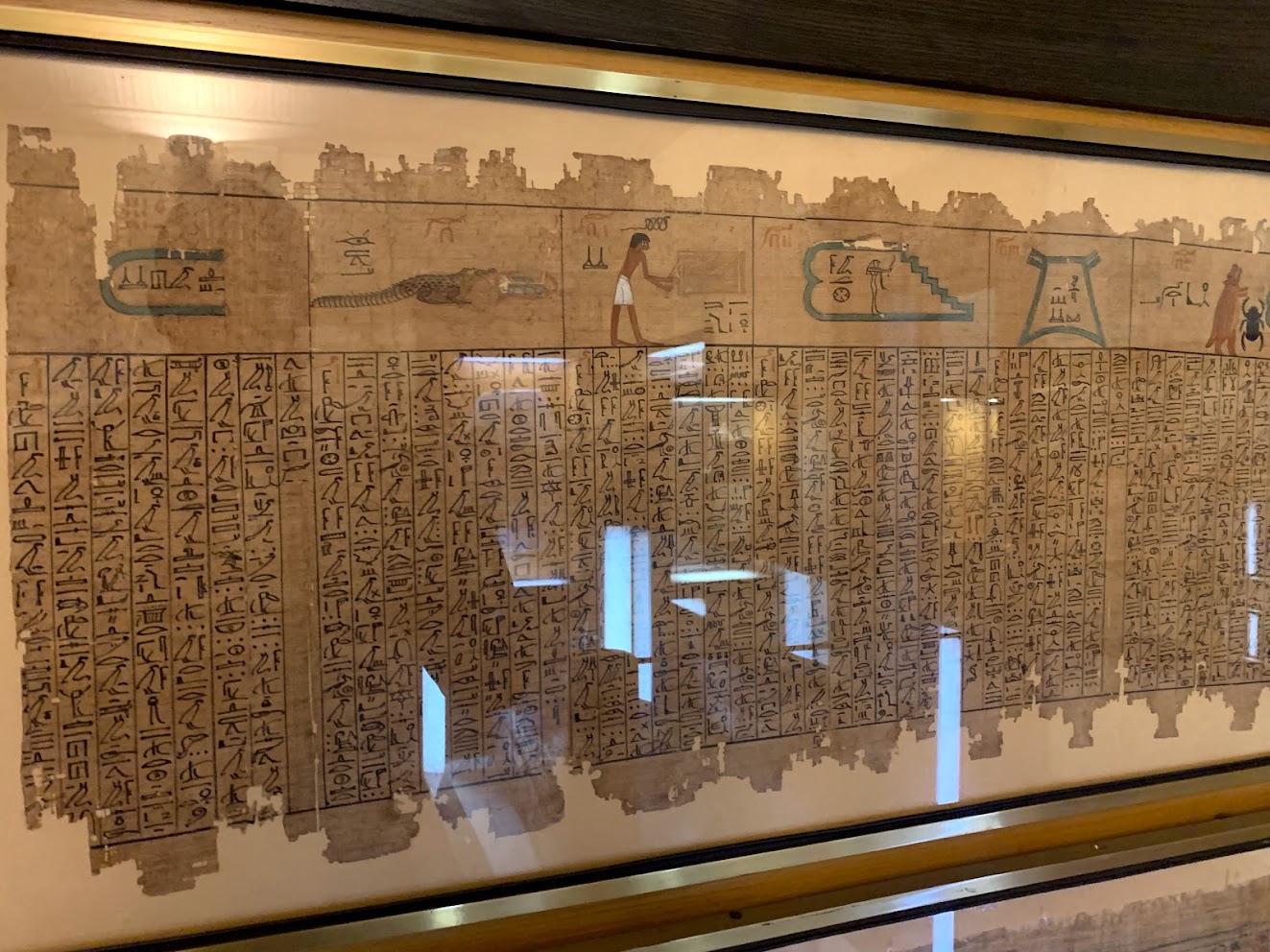
Rome’s art offering is staggering in volume. The Vatican Museums alone — 70,000 works across 54 galleries, culminating in the Sistine Chapel — could occupy a full day and remain inexhaustible. The Borghese Gallery, limited to 360 visitors at a time in two-hour timed slots, houses the finest collection of Baroque sculpture in the world including Bernini’s Apollo and Daphne, which is among the most technically extraordinary sculptures ever made. The Capitoline Museums, the Doria Pamphilj Gallery, the Palazzo Barberini — Rome has more great art collections than any other city in Italy.
But Florence has the Uffizi. And the Accademia. And the Bargello. And the Medici Chapels. And the Brancacci Chapel. In a city of 370,000 people — smaller than many mid-sized American cities — Florence contains the Birth of Venus, the Primavera, Michelangelo’s David, the finest collection of Renaissance sculpture outside the Vatican, and a coherence of artistic tradition across its churches, palaces, and museums that Rome, for all its treasures, cannot match. The Uffizi tells the story of Western painting from 1250 to 1600 in a single building with extraordinary completeness. Walking its rooms in sequence is the finest art historical experience available anywhere in the world.
Florence also has the advantage of scale. Rome’s art is spread across a vast city requiring significant transit time between collections. Florence’s art is concentrated in a historic center you can walk end to end in 20 minutes. In two days in Florence you can cover the Uffizi, the Accademia, the Bargello, and the Medici Chapels without rushing. The same art density in Rome would require a week.
Verdict: Florence — narrowly, and specifically for the Renaissance art lover. Rome wins on Baroque art and sheer volume. Florence wins on coherence, concentration, and the Renaissance specifically.
👉 Florence City Guide: The Duomo, the Uffizi, the Oltrarno & everything to do in Florence →
👉 Rome City Guide: The Colosseum, the Vatican, Trastevere & everything to do in Rome →
Food: Rome Wins — Comfortably
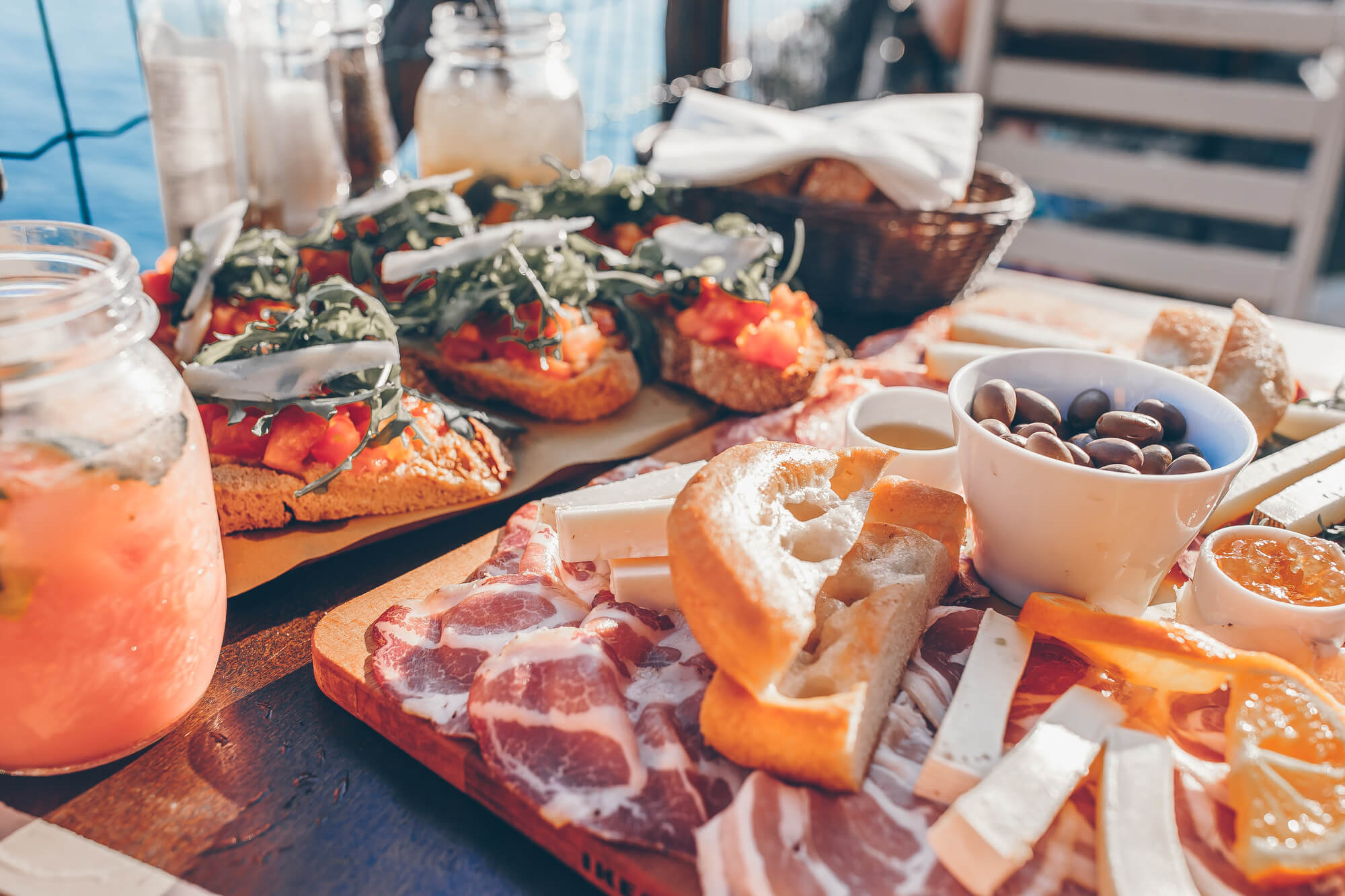
Italian food is regional food — the dishes of Rome are not the dishes of Florence, and neither are interchangeable with the dishes of Naples or Bologna. Both cities have extraordinary food cultures rooted in their specific ingredients, their specific history, and their specific relationship with the table as a social institution. But Rome’s food culture is broader, more varied, more deeply embedded in daily life, and more accessible to visitors across a wider range of budgets.
Rome’s four classic pasta dishes — cacio e pepe (spaghetti with Pecorino Romano and black pepper), carbonara (with guanciale, egg, and Pecorino), amatriciana (with guanciale, tomato, and Pecorino), and gricia (the carbonara without egg, the oldest of the four) — are among the finest pasta dishes in the world and are available at every price point from a €12 trattoria lunch to a €60 dinner. Roman pizza al taglio (pizza by the slice, sold by weight from rectangular trays) is the finest casual food in Italy. The Jewish Ghetto’s carciofi alla giudea (deep-fried artichokes, flattened and fried until the leaves are crisp as potato chips) is one of the great dishes of Italian cuisine. Supplì (rice croquettes filled with ragù and mozzarella) from a Roman street food counter are one of the most satisfying things you can eat in Italy for under €2.
Florence’s food culture is excellent but narrower. The bistecca fiorentina — the enormous T-bone steak of Chianina beef, cooked rare over wood fire and served by weight — is one of the great dishes of Italy and entirely worth eating. The ribollita (the thick Tuscan bread and vegetable soup) and the pappardelle al cinghiale (wide pasta ribbons with wild boar ragù) are both outstanding. The lampredotto sandwich — braised tripe on a bread roll with salsa verde and chili — is the quintessential Florentine street food and one of the more adventurous things to eat in Italy. The wines of Chianti and Brunello di Montalcino, both produced in the surrounding Tuscan countryside, are world-class.
But Florence’s restaurant scene is smaller, more expensive, and more difficult to navigate for visitors who haven’t done their research. The streets around the Duomo and the Piazza della Signoria are saturated with tourist-facing restaurants of mediocre quality; finding the genuinely excellent trattorias requires crossing into the Oltrarno or navigating the back streets. Rome’s good food is more evenly distributed across the city and more forgiving of unplanned meals.
Verdict: Rome — for variety, value, accessibility, and the specific genius of Roman pasta and street food.
👉 What to Eat in Rome: Cacio e pepe, supplì, carciofi alla giudea & Rome’s extraordinary food culture →
👉 What to Eat in Florence: Bistecca fiorentina, ribollita, lampredotto & Florence’s food culture →
Atmosphere and Character: Different, Not Better or Worse

This is the category where the two cities diverge most completely — and where personal preference matters most. Rome and Florence have fundamentally different urban personalities, and which one resonates more depends almost entirely on what kind of traveler you are.
Rome is enormous, chaotic, loud, and alive in a specifically Mediterranean way. It is a city of 2.8 million people going about their daily lives in the shadow of the greatest monuments in Western history — scooters weaving around the Colosseum, markets operating beneath ancient aqueducts, Romans arguing passionately in bars while tourists queue for the Trevi Fountain. The city does not perform for visitors; it simply is, and visitors are welcome to participate. Rome can be exhausting, overwhelming, and occasionally infuriating. It can also be the most thrilling urban environment in Europe. The two things are inseparable.
Florence is more contained, more refined, and more self-consciously beautiful. The centro storico, a UNESCO World Heritage site, is architecturally coherent in a way Rome cannot match — walking through the streets between the Duomo and the Piazza della Signoria feels like moving through a living museum of the Renaissance. The city is quieter than Rome, more orderly, and possessed of an aesthetic seriousness that permeates everything from the shop window displays to the way Florentines dress. Florence can feel slightly cool, slightly reserved, slightly less immediately welcoming than the southern warmth of Rome. It rewards patience and close attention rather than surrendering to it.
The Oltrarno neighborhood in Florence — the south bank of the Arno, the artisans’ quarter — gives the city its warmest and most lived-in character. Crossing the Ponte Vecchio into the Oltrarno and spending an evening in its restaurants and wine bars gives you a Florence that feels genuinely inhabited rather than preserved.
Verdict: Depends entirely on you. Travelers who want energy, scale, and surrender: Rome. Travelers who want refinement, coherence, and close attention: Florence.
Day Trips: Rome Wins Significantly
Rome is one of the finest bases for day trips in Europe. Within two hours of the city by train or car you can reach Pompeii and Herculaneum (the Roman cities buried by Vesuvius in 79 AD, accessible by the Circumvesuviana train via Naples), the Amalfi Coast (one of the most dramatic coastal drives in Europe), Ostia Antica (the best-preserved Roman port city, better than Pompeii for atmosphere and far less crowded), the hilltop town of Orvieto (one of the finest medieval towns in central Italy), and the gardens of Tivoli (the Villa d’Este and Hadrian’s Villa, both UNESCO World Heritage sites).
Florence’s day trips are excellent but more limited in variety. Siena (1.5 hours by bus, the finest medieval city in Tuscany), the Chianti wine country (by rental car, the most beautiful wine landscape in Italy), San Gimignano (the medieval tower town, heavily visited but genuinely beautiful), and Pisa (one hour by train, worth visiting for the Campo dei Miracoli even though the leaning tower is smaller than expected) are all within easy reach. The Cinque Terre is achievable as a long day trip (2 hours by train to La Spezia) but is better as an overnight.
Verdict: Rome — for the extraordinary variety of day trip options including Pompeii, Ostia Antica, and the Amalfi Coast access.
Ease of Navigation: Florence Wins Clearly
Florence is the most walkable major city in Italy. The historic center is compact — you can walk from Santa Croce in the east to Santa Maria Novella in the west in 20 minutes, from the Duomo to the Arno in 10. Everything is reachable on foot. There is essentially no need for public transport within the centro storico. Getting lost in Florence leads to discovery rather than stress because the streets are short, the landmarks are visible, and the Duomo’s dome is visible from almost everywhere as a navigation point.
Rome is a city of 2.8 million people covering a vast geographic area. The historic center is walkable but the distances between major sites are significant — from Trastevere to the Vatican is 2km; from the Colosseum to the Piazza Navona is 3km; from the Spanish Steps to the Borghese Gallery involves a significant uphill walk through the Villa Borghese gardens. The metro is limited (only two main lines, plus a third that serves the Vatican area) and does not cover the most historic parts of the city. Getting around Rome requires a combination of walking, metro, bus, and taxi that takes a day or two to master.
For first-time visitors with limited time, Florence’s navigability means more time experiencing the city and less time figuring out how to get between attractions.
Verdict: Florence — comfortably, and significantly for first-time visitors with limited time.
👉 Where to Stay in Florence: The best Florence neighborhoods and hotels for every budget →
👉 Where to Stay in Rome: The best Rome neighborhoods and hotels for first-time visitors →
Time Required: Florence Is More Efficient
This is one of the most practical considerations for travelers with limited time. How many days does each city actually need to feel properly visited?
Rome requires a minimum of three nights to cover the Vatican, the ancient city, and the Baroque centro storico without rushing any of them. Four nights is better. Five begins to reveal the city rather than catalogue it. Rome is genuinely inexhaustible — a week barely scratches the surface, and every return visit reveals layers that previous visits missed.
Florence can be done properly in two nights — enough for the Uffizi, the Accademia, the Duomo complex, and the Oltrarno. Three nights is ideal and allows the Medici Chapels, the Boboli Gardens, and a half-day Tuscany excursion. Unlike Rome, Florence does not feel rushed at two nights for a focused visitor who has done their planning.
For travelers with exactly one week in Italy, the standard allocation — three nights Rome, two nights Florence, two nights Venice — reflects this reality accurately. Rome needs the most time; Florence and Venice are more efficiently experienced.
Verdict: Florence for efficiency. Rome for depth. If time is limited, Florence delivers more per day. If time is available, Rome rewards every additional day you give it.
Who Should Visit Rome
Rome is the right choice if:
You are visiting Italy for the first time and want the most historically significant experience available. The Vatican, the Colosseum, and the Roman Forum are the three most important sites in Italy and they are all in Rome.
You are interested in ancient history — Roman, early Christian, or papal. No other city in the world has this density of ancient civilization visible above ground.
You want a city with extraordinary food at every price point. Roman trattorias, street food, and the Jewish Ghetto cuisine are the most accessible and most varied in Italy.
You have at least three nights and preferably four. Rome is not a city that rewards rushed visits.
You want the most dynamic and energetic urban atmosphere in Italy. Rome is alive in a way that no other Italian city fully matches.
Who Should Visit Florence
Florence is the right choice if:
Renaissance art is your primary interest. The Uffizi and the Accademia together constitute the finest Renaissance art experience in the world, and Florence’s churches and palaces extend that experience across the entire city.
You have limited time — two nights in Florence covers the essentials in a way that two nights in Rome cannot. Florence is the more efficient city for a compressed itinerary.
You prefer a smaller, more manageable, more walkable urban environment. Florence’s centro storico is coherent and navigable in a way that Rome’s vast geography is not.
You are a food and wine traveler with specific interest in Tuscan cuisine — bistecca fiorentina, ribollita, Chianti and Brunello — and want easy access to the Tuscan countryside.
You are on a second Italy trip and have already done Rome. Florence rewards the traveler who comes to it with some context and some patience.
The Verdict: Rome for First Timers, Florence for Art Lovers
If this is your first time in Italy and you can only visit one city, visit Rome. It is the more important city historically, the more varied city gastronomically, and the more overwhelming city experientially. Rome is what most people picture when they picture Italy — the ancient ruins, the Vatican, the piazzas, the street food, the chaotic beautiful life of the city — and the reality exceeds the expectation. It is the city that most clearly answers the question of why Italy matters.
If you are an art lover, a Renaissance enthusiast, or a traveler on a second Italy trip, visit Florence. The Uffizi alone justifies the journey. Michelangelo’s David alone justifies the journey. The combination of the two, plus the Duomo dome climb, plus the Oltrarno, plus the Tuscan food culture, makes Florence the single most rewarding concentrated art experience in the world.
If you can do both — and you should — our 7 Days in Italy itinerary covers Rome, Florence, and Venice in a logical sequence that gives each city the time it deserves. Three nights in Rome, two in Florence, two in Venice is the correct structure for a first Italy trip and the one we recommend without reservation.
Plan Your Italy Trip
👉 Italy Travel Guide: Everything you need to plan your Italy trip →
👉 7 Days in Italy Itinerary: The perfect first-timer’s route through Rome, Florence & Venice →
👉 Best Cities to Visit in Italy: Naples, Bologna, Cinque Terre & the full breakdown of Italy’s greatest cities →
👉 Rome City Guide: Neighborhoods, monuments & everything to do in Rome →
👉 What to Eat in Rome: Cacio e pepe, supplì & Rome’s extraordinary food culture →
👉 Where to Stay in Rome: The best Rome neighborhoods and hotels →
👉 Florence City Guide: The Duomo, the Uffizi & everything to do in Florence →
👉 What to Eat in Florence: Bistecca fiorentina, ribollita & Florence’s food culture →
👉 Where to Stay in Florence: The best Florence neighborhoods and hotels →